

FUE Hair Transplant In Miami
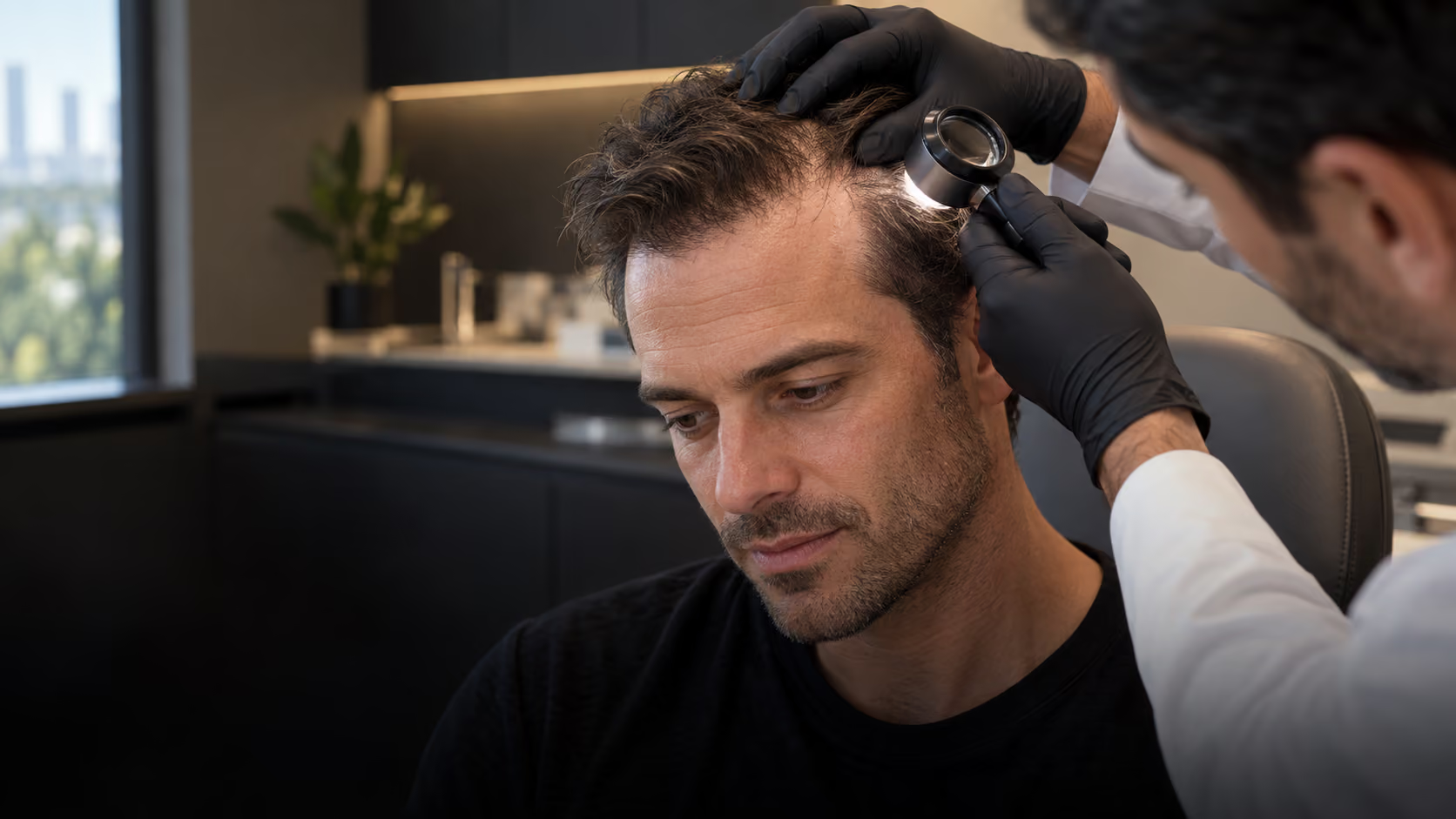
FUE hair transplant is designed around one goal: restoring coverage in a way that looks natural for your face and hair pattern. Planning begins with your donor area, hairline design, graft needs, and long-term pattern of loss, so you understand what is possible before moving forward.


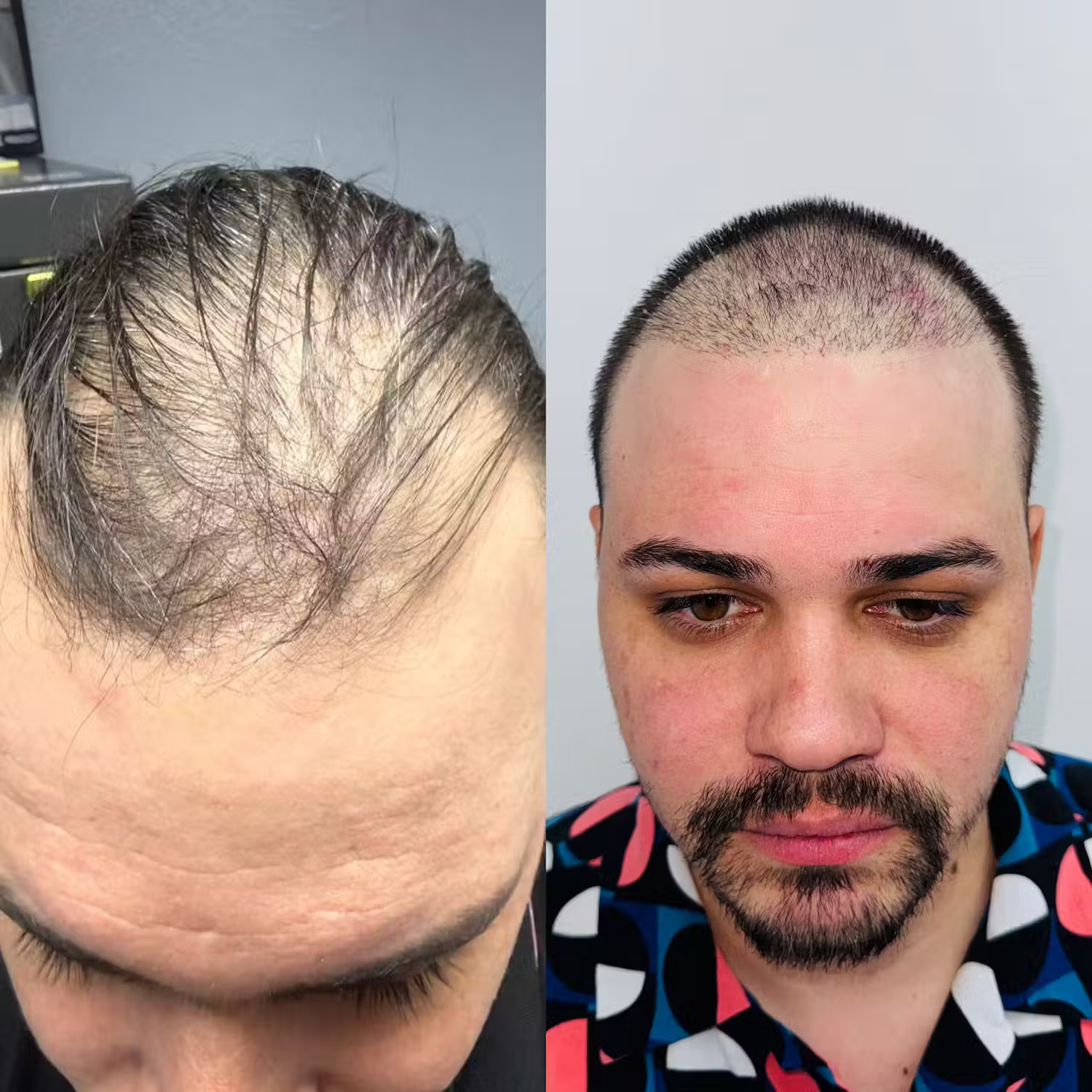
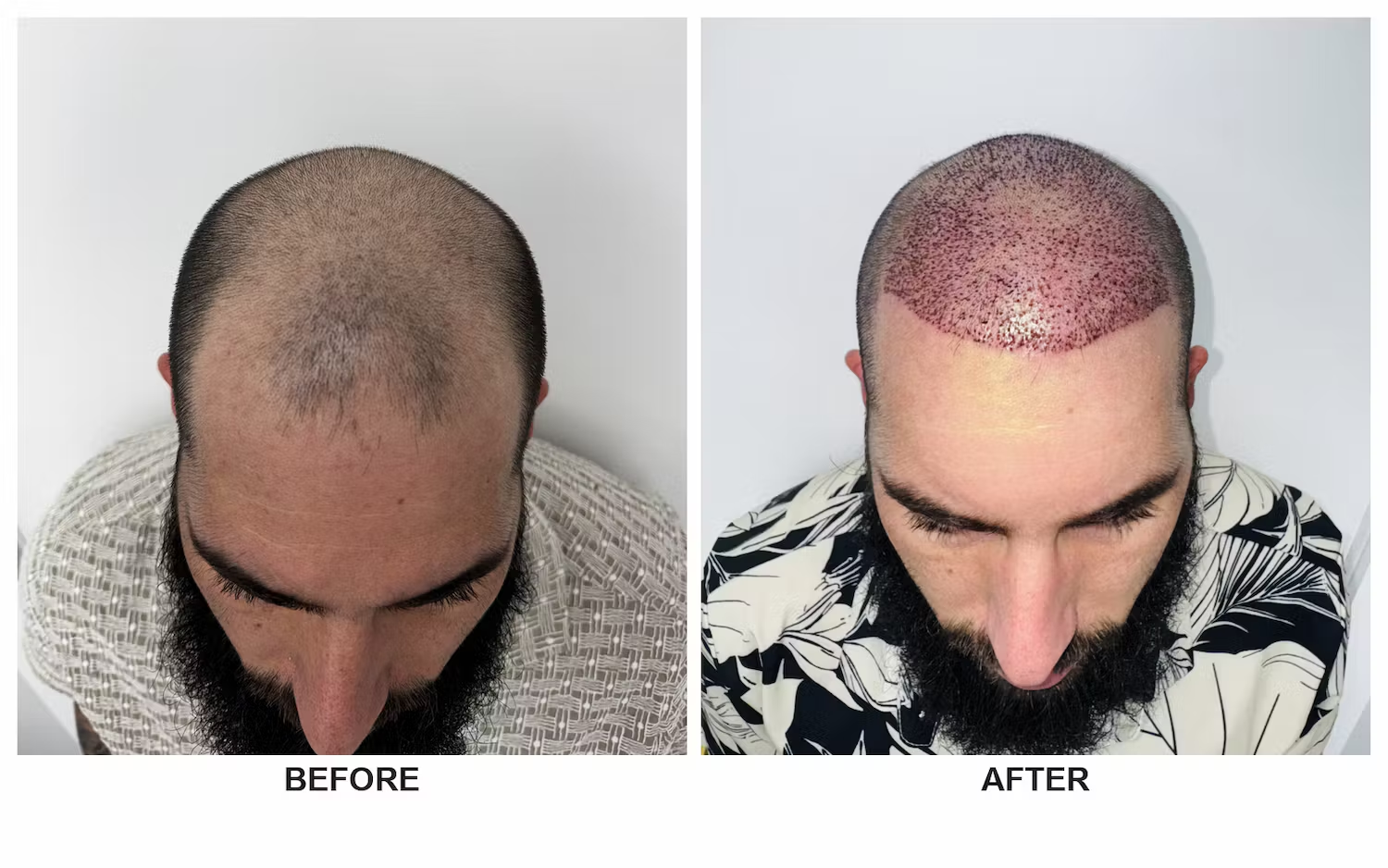
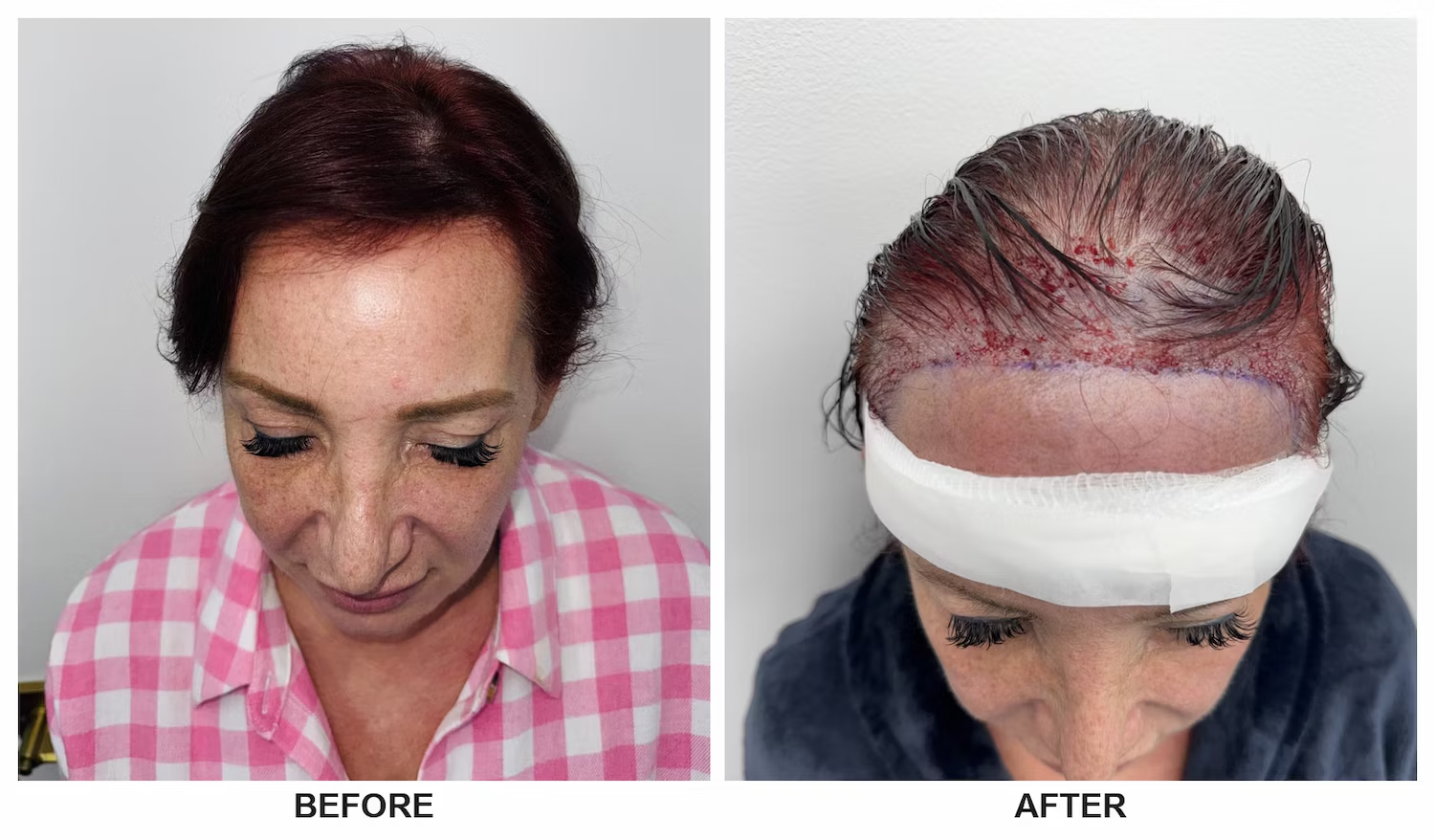
Real Results, Shown With The Details That Matter
“I can’t say enough good things about Advance Hair and Aesthetics. … the team here made me feel comfortable and confident right from the start. The results look natural.”
“Wonderful experience!!! The team was professional, welcoming, and very attentive. They took the time to explain the procedure, answer all questions. Excellent service. Highly recommended them.”
“I had an amazing experience with Advanced Hair and Aesthetics from start to finish. The entire staff was professional, friendly, and made me feel comfortable throughout the whole process.”


A Hairline Designed To Look Natural Today And Over Time
Hair loss can affect how you style your hair and how confident you feel in photos or bright light. Your consultation focuses on what is changing, the donor hair available, the coverage that may be possible, and a hairline that fits your face and long-term pattern of loss.
You do not need to know your stage of hair loss or arrive with a graft estimate. We will walk through candidacy, treatment options, tradeoffs, timing, and next steps with you.
Who May Be A Candidate For FUE Hair Transplant
Not every patient is a candidate. FUE may not be appropriate when donor hair is limited, loss is unstable, the diagnosis is unclear, expectations are not achievable, or health factors increase risk. The responsible clinician must make that determination after evaluation.

How FUE Hair Transplant Works
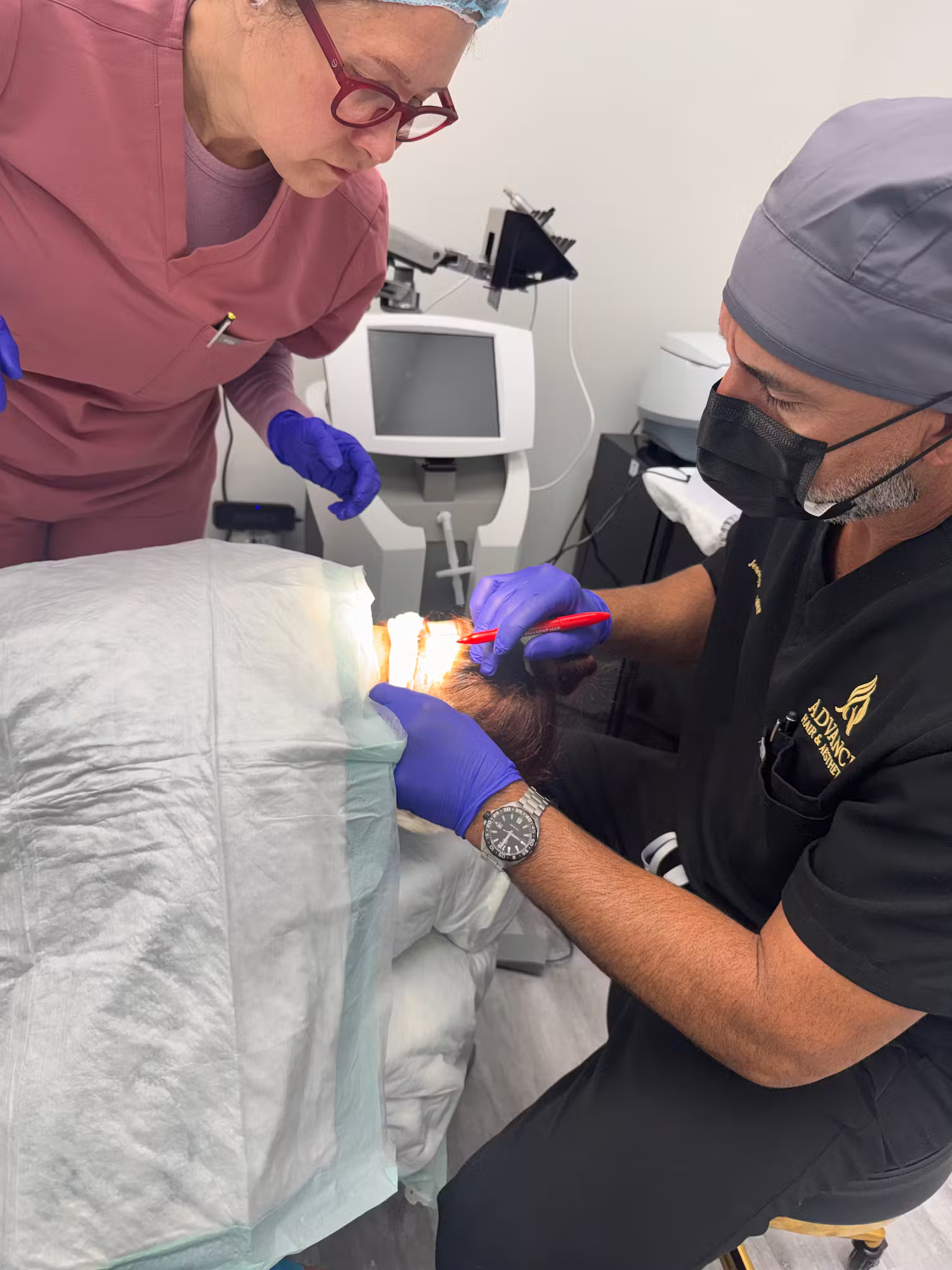
Follicular unit extraction removes naturally occurring groups of one or more hairs from the donor area, usually at the back and sides of the scalp. Those follicular units are prepared and placed into recipient sites created according to the planned direction, angle, spacing, and density. FUE avoids the linear incision used in strip surgery, but it is still a surgical procedure and small extraction scars can occur.
Hairline Design
A believable result begins before extraction. The plan should consider your age, facial proportions, current pattern, likely future loss, hair caliber, curl, color contrast, donor supply, and how much coverage can be created without overusing the donor area.
Graft Planning
A graft estimate is not a promise of density. It is a planning range based on the size of the treatment area, available donor hair, hair characteristics, prior procedures, and the visual goal discussed during consultation.
Hair Restoration Planned Beyond Procedure Day

Individualized Hairline Design
The shape, height, irregularity, and direction should be planned for your face, not copied from a standard template.

Donor-Area Stewardship
The donor supply is limited. Extraction planning should balance the immediate goal with the possibility of future hair loss.

Consultation-Led Graft Planning
Your evaluation should explain estimated graft needs, donor-area preservation, the proposed hairline, procedure steps, and long-term planning before you decide.

Local Follow-Up In Miami
Patients can return to the same local team for recovery questions, planned check-ins, and evaluation of the longer growth timeline.
Real Cases, Shown On Video
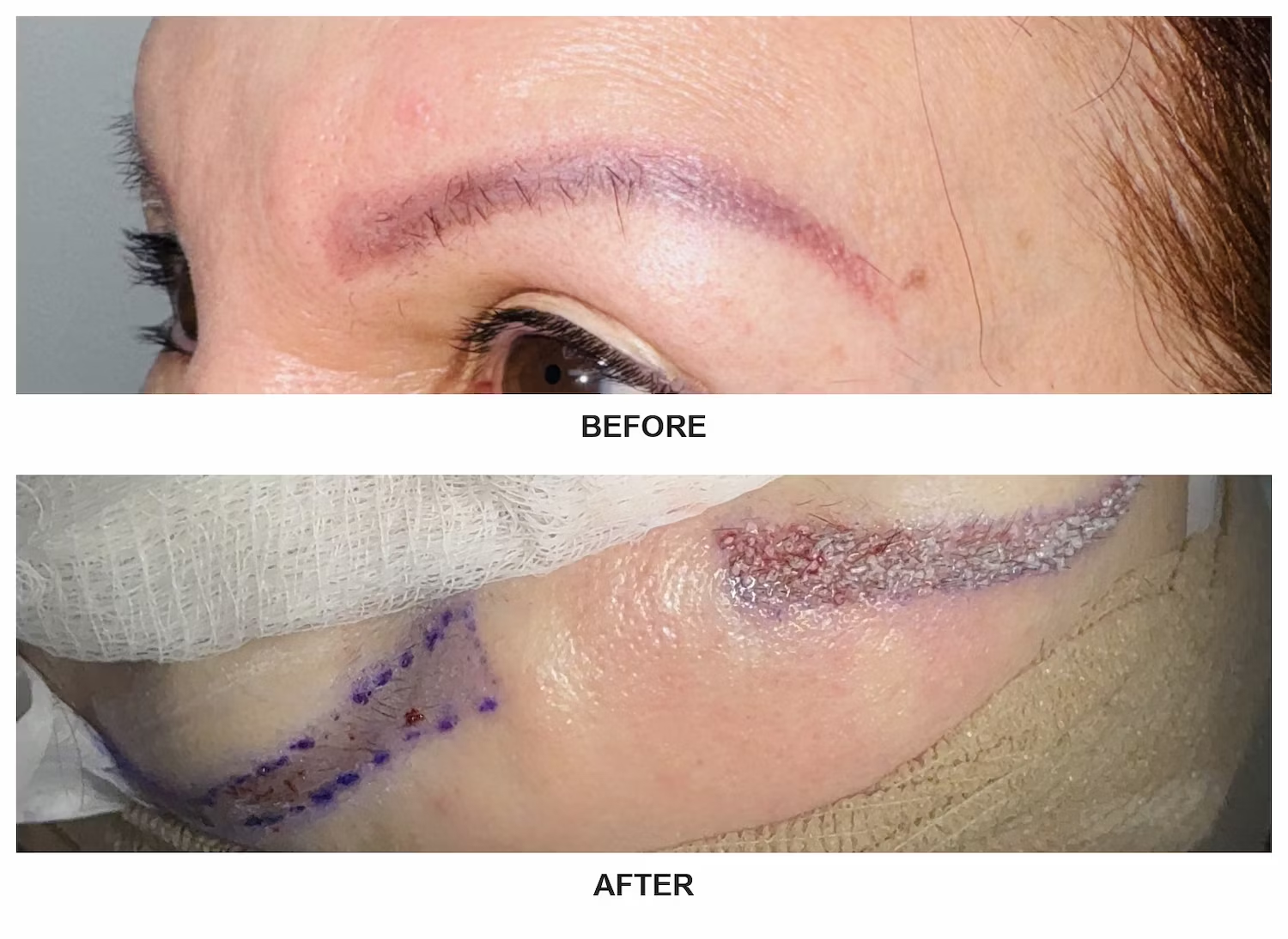
Short clips from our FUE patients: an eyebrow result right after the procedure, a before-and-after comparison and a patient's own review.
Your FUE Hair Transplant Journey
Consultation And Diagnosis
Review the pattern and history of loss, donor area, scalp, hair characteristics, medications, health history, prior treatments, and goals. If the cause of loss is uncertain, the clinician may recommend additional evaluation before surgery.
Hairline And Graft Plan
Discuss the treatment zones, proposed hairline, estimated graft range, donor strategy, expected visual improvement, limits, written quote, and whether non-surgical care is relevant to existing hair.
Preparation
Before procedure day, you will receive specific instructions about medications, alcohol, smoking, hair washing, transportation, clothing, and what to bring.
Procedure Day
Procedure length depends on the approved graft plan. The team confirms the design, prepares the donor and recipient areas, extracts follicular units, and places grafts according to the plan.
Early Recovery
Redness, swelling, tenderness, crusting, temporary numbness, and shedding can occur. Follow the clinic's written washing, sleeping, activity, and contact instructions.
Growth And Follow-Up
Transplanted hairs commonly shed before new growth begins. Early growth may appear around months 3 to 4, more change is often seen from months 6 to 9, and maturation may continue for 12 to 18 months. Timing and outcomes vary.
Post-Transplant Care That Protects Your Progress
Post-transplant care continues after procedure day. Your plan should include written washing and sleeping instructions, guidance on activity and sun exposure, scheduled follow-up, consistent photography, and a clear way to report unexpected pain, swelling, bleeding, signs of infection, or concerns about healing. Because non-transplanted hair can continue to thin, the clinician may also discuss appropriate long-term preservation strategies.
Frequently Asked Questions
Still have a question? Our team can walk you through candidacy, planning and recovery before you decide.
How do I know whether I am a candidate for FUE?
Candidacy depends on the cause and stability of your hair loss, donor supply, hair characteristics, health history, prior treatment, and expectations. A qualified clinician needs to examine these factors before recommending surgery.
How many grafts will I need?
There is no responsible one-size-fits-all number. Your estimate should be based on the size of the treatment area, donor capacity, hairline design, hair caliber, curl, and the level of coverage that can realistically be created.
Will the result look natural?
Natural appearance depends on planning and execution, including hairline shape, irregularity, direction, angle, graft selection, spacing, donor management, and how the plan anticipates future loss. Results vary.
Does FUE leave scars?
FUE avoids a linear strip scar, but each extraction creates a small wound and small dot-like scars can remain. Visibility varies with punch size, healing, extraction pattern, skin, and hair length.
When can I return to work?
That depends on the size of the procedure, swelling, redness, crusting, your work, and how visible you are comfortable being. The clinic should give individualized guidance after confirming the plan.
When will I see growth?
Early growth may begin around months 3 to 4. Many patients see more visible change from months 6 to 9, with texture and maturation continuing for 12 to 18 months. Individual timing varies.
Can I keep losing non-transplanted hair?
Yes. A transplant moves selected follicles but does not stop every cause of future loss in surrounding native hair. Your clinician can discuss a long-term plan after diagnosis.
What should I compare between Miami hair transplant clinics?
Compare the named provider's credentials, who performs each surgical step, before-and-after cases with consistent lighting and timelines, donor planning, written treatment plan, complication protocol, follow-up, and whether your questions are answered without pressure.
FUE Hair Transplant Care In Miami And Doral
Advance Hair and Aesthetics serves hair transplant patients from Miami and Doral at 3901 NW 79th Ave, Suite 224, Doral, FL 33166. Local access makes it easier to prepare for procedure day, ask recovery questions, attend planned follow-ups, and stay connected throughout the growth timeline.




Explore What FUE Hair Restoration Can Do For You
Meet with our team to review your pattern of loss, donor area, hairline goals, estimated graft range, recovery, timeline, and written treatment plan.